Government Agency



Nearly 7 million unpaid (family and friend) caregivers are a vital part of California’s long-term care system. However, many of them face challenges in accessing the support they need. In this project, we spoke with caregivers who illustrated the many ways caregiving can become a part of someone’s life. They represented various stages of caregiving, supported loved ones with different needs, and drew on different sources of assistance. But, despite their differing circumstances, many caregivers shared a common experience: becoming a caregiver often means navigating a complex landscape with little guidance.
Caregivers navigate a network of healthcare providers, community organizations, public programs, and informal networks, while also managing the demands of caring for a loved one. Outdated information, fragmented referral pathways, and limited resources across systems make it difficult to quickly find and access the support and services caregivers need.
The California Department of Aging (CDA) engaged Collaborative Consulting through the California Caregiver Awareness, Resources, Education & Support (CalCARES) initiative to better understand how caregivers access resources and to identify opportunities to strengthen cross-sector connections within California’s caregiver support system.
The California Department of Aging (CDA), California’s federally designated State Unit on Aging (SUA), operates under the California Health and Human Services Agency and administers programs serving older adults, people with disabilities, and caregivers. The department oversees Area Agencies on Aging, contracts with Multipurpose Senior Services Program agencies and Caregiver Resource Centers, certifies Adult Day Health Care Centers, and administers a Long-Term Care Ombudsman program that oversees licensed facilities statewide. CDA collaborates with multiple state departments to advance its mission through comprehensive service delivery and strategic partnerships.
CDA engaged Collaborative Consulting to examine how caregivers navigate California’s caregiver support system and identify opportunities to make it easier for caregivers to find and access the help they need. Our research aimed to:
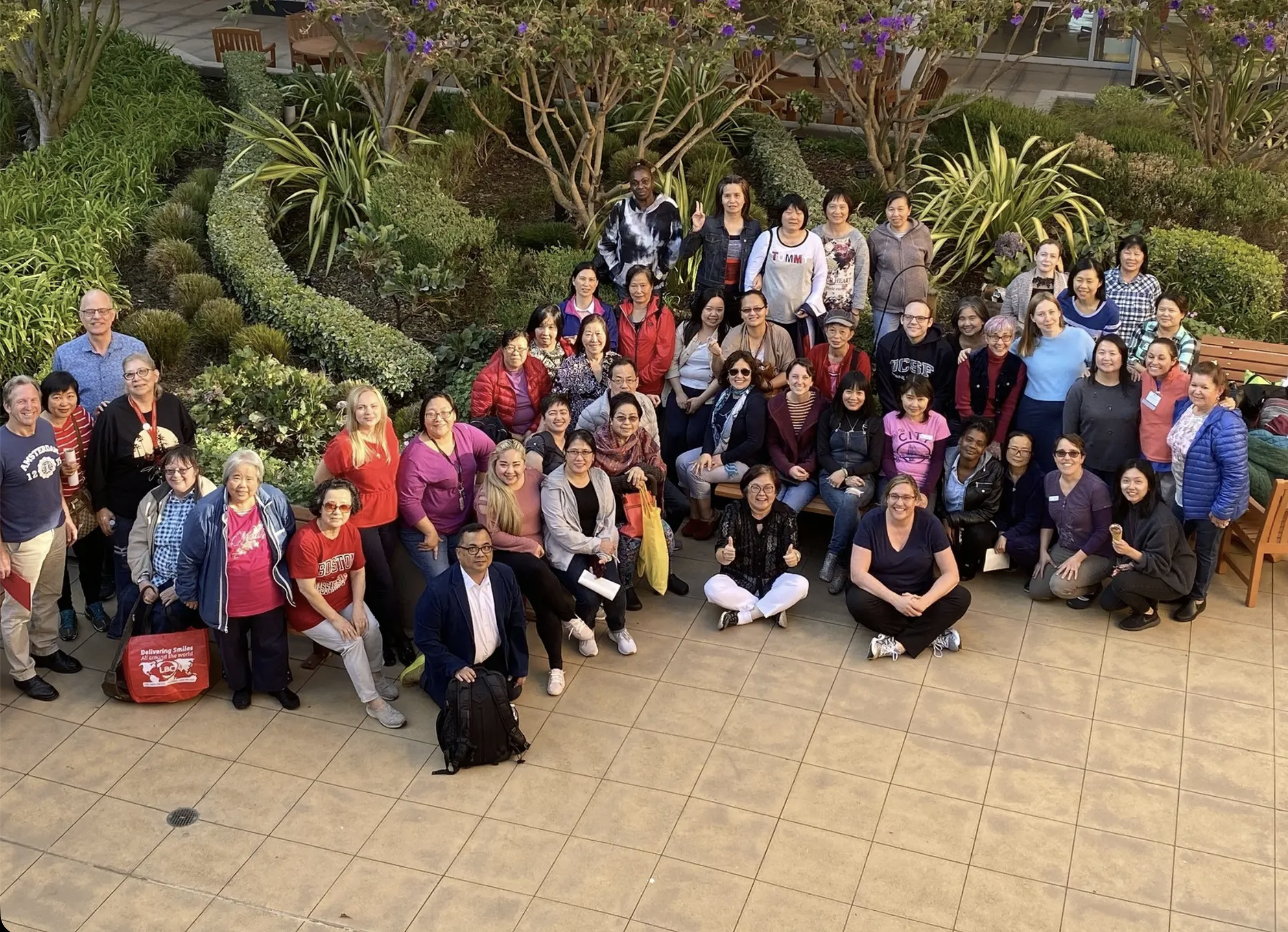
To understand how to improve caregiver navigation, we examined the system from the perspectives of both caregivers and the organizations supporting them. We designed and facilitated interviews and listening sessions across Imperial, Marin, and Sonoma Counties with caregivers and providers from healthcare and HCBS organizations. We explored how caregivers find help, which sources they trust, where referrals break down, and what makes services easier or harder to access. We learned that caregivers utilize a combination of formal and informal sources, including healthcare and HCBS providers, family and friends, peer support groups, online communities, and AI-powered search tools.
We also learned that one of the primary challenges facing caregivers is not a lack of resources, but limited access to and coordination of existing resources. Caregivers often receive resource lists rather than coordinated connections to services. At the same time, healthcare providers have limited capacity to identify caregivers and maintain knowledge of local resources, while HCBS organizations face challenges with staffing, funding, and referral capacity. Informal caregiver networks fill these gaps by providing trusted, real-world guidance. Some of the actionable opportunities include:
We synthesized the learning and opportunities into recommendations that can inform CDA’s continued work through CalCARES and strengthen California’s caregiver support infrastructure.
The project offered CDA valuable insights about how caregiver navigation works in practice and where the opportunities to strengthen it lie. The results reinforced that caregivers piece together support from multiple sources, with informal networks frequently providing the most accessible guidance.
Additionally, the project underscored the importance of investing not only in information and referral tools but also in the relationships, workflows, and organizational capacity that facilitate effective navigation. By strengthening connections among caregivers, healthcare providers, HCBS organizations, and community networks, California can progress towards a more coordinated and proactive approach. This will help caregivers find support earlier, reduce the burden of navigating services, and connect them to the resources they need.